En mayo, la salud mental brilla con luz propia
Aprender a hablar con franqueza sobre salud mental y recuperación
Mayo es el Mes de la Concienciación sobre la Salud Mental. La Administración de Servicios de Salud Mental y Abuso de Sustancias, la Alianza Nacional de Enfermedades Mentales y otras innumerables organizaciones tienen muchas herramientas gratuitas basadas en pruebas para la educación, la detección y la información.
Pero, ¿qué es realmente la salud mental?
Como alguien con antecedentes familiares de enfermedad mental y que trabaja activamente (y a veces fracasa) cada día para recuperarse de ella, puedo hablar un poco de esto desde la experiencia vivida.
La salud mental se produce cuando vivimos nuestros momentos recurriendo intencionadamente y utilizando activamente lo que el Dr. Richard C. Schwartz denomina las cualidades C y Ps del Ser: compasión, curiosidad, claridad, creatividad, calma, confianza, valentía, conexión, presencia, paciencia, perspectiva, persistencia y alegría.
Quizá todo eso parezca bastante obvio, pero también es muy difícil hacerlo con coherencia. Cada uno de nosotros vive con las experiencias acumuladas de su pasado. Estas experiencias acumuladas, o exposoma, nos conforman -nuestra neurología, nuestra endocrinología, nuestra psicología, nuestro todo- desde el vientre materno hasta la tumba.
Los seres humanos somos máquinas de dar sentido. Cuando éramos niños, dábamos sentido a las cosas a las que estábamos expuestos de una determinada manera. Con el tiempo, esa percepción se convirtió en los patrones o filtros con los que damos sentido a nuestras vidas de adultos. Los adultos podemos actuar para cambiar esas pautas y eliminar esos filtros, para crecer y cambiar, pero sólo en la medida en que estemos dispuestos a reconocer que los filtros existen.
I know that some of you don’t want to hear this, but health care is intense. Other industries – tech and manufacturing come to mind – can be intense, too. But truly, health care is different by degrees. This is true for a few reasons, but in a very real sense, it can be boiled down to distress and awareness. Despite the climbing suicide rate, the need for trained clinicians, and the persistence of health care as one of the top industries for suicide incidence, medical education continues to avoid content and crucial conversations about mental health. Yet, we depend on these very professionals to treat those unexplored issues while also taking care of themselves.
We don’t expect health care professionals to treat – but not to know about – issues with the pulmonary system, so why do we do this with mental health?
From neurodivergence to mental illness and everything in between (often with huge overlaps), the health care industry still, in 2024, looks askance at non-physical atypicality and its manifestations. Mature, evidence-based conversations are not happening with enough frequency to address gaps in clinical knowledge, so as sense-making machines, educated and well-meaning people chalk it up to a will issue.
I have stress, and I’m not (insert mental health issue here). They just have to choose not to (insert behavior here).
But, in the same way that we would not expect someone with a broken leg to run down the hall, we ought not to expect someone with mental health challenges to choose to be well. There are no ADA-compliant ramps, no underarm crutches, and no amount of kinesiology tape that works for mental health. Furthermore, the things required for recovering mental health – a combination of community, compassion, understanding, time, therapeutic fit with the right professional, and sometimes medication – do not fit with the toughen-up nature of our industry’s history.
May being Mental Health Month gives us an opportunity to intentionally reflect on and respond to all of this. Join us for a safe and real conversation from noon to 1 p.m. on Thursday, May 16, in our Scranton Practice’s Room 405. We will begin to normalize mental health conversations and discuss how we can include and support the sense of belonging of each person.
Sincerely,
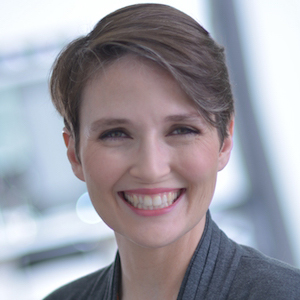
Dra. Meaghan Ruddy
Vicepresidenta Sénior de Bienestar Empresarial y Resiliencia, Evaluación y Avance, y Directora de Investigación Estratégica y Desarrollo.